
πŸ“ž +91 98189-12000βœ‰ sales@atplonline.in
Noida, India β€” Serving Pan India since 1991

Horizontal Injection Moulding

ATPL Horizontal Injection Moulding Machines are built for high-volume plastic parts production for automotive, industrial and consumer applications. The PM Series covers 500 kN to 12,600 kN clamping force.

Showing 1–1 of 1 machines

Our Range of Precimould Horizontal Injection Moulding Machines

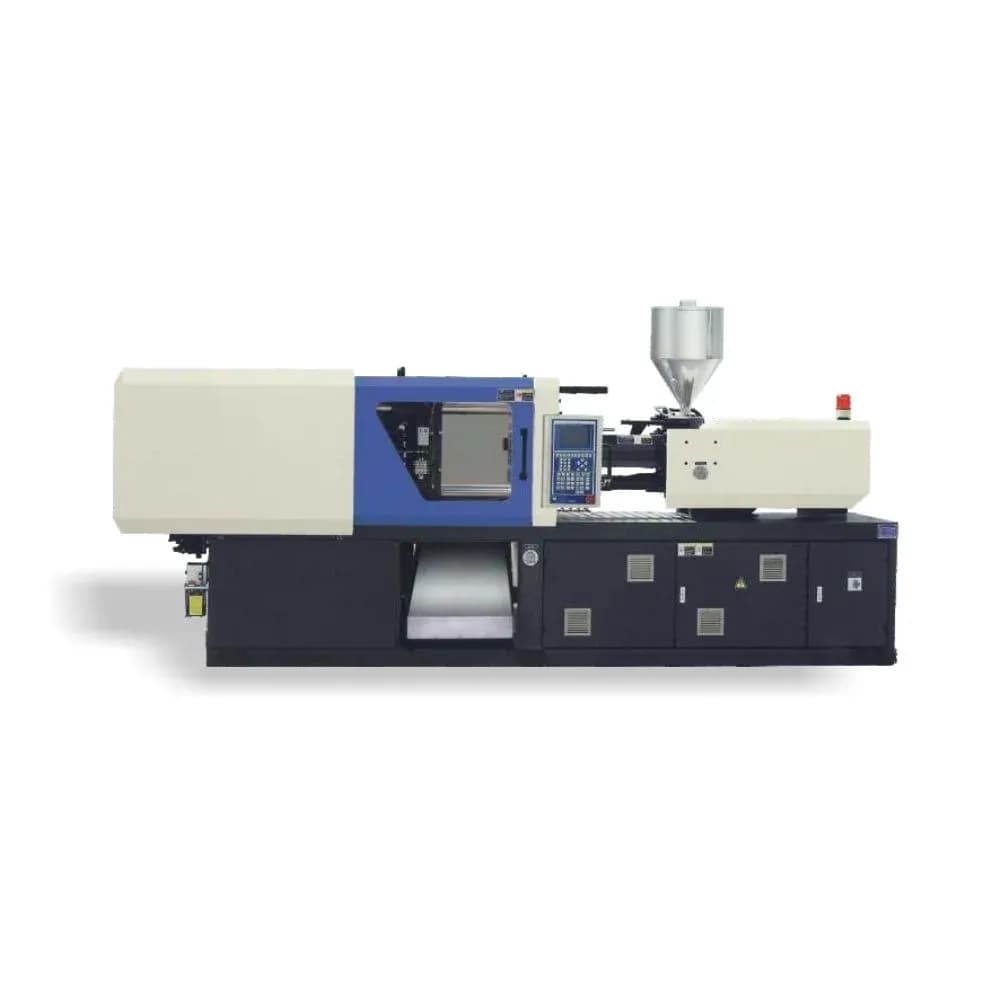
Injection moulding machine: the injection press is a horizontal machine used for mass production of plastic parts. It has two main units: an injection unit that melts and injects the plastic, and a clamping unit that holds the mould shut. ATPL supplies the Precimould PM Series in 16 models:

  • PM-50S to PM-240S β€” five models for smaller parts, with clamping force from 500 kN to 2,380 kN and theoretical shot weight from 50 g to 601 g
  • PM-280S to PM-660S β€” seven models for medium parts, with clamping force from 2,680 kN to 6,580 kN
  • PM-800S to PM-1260S β€” four models for large parts, with clamping force from 8,000 kN to 12,600 kN and theoretical shot weight up to 7,937 g

Across the series, screw diameters run from 26 mm to 130 mm, tie-bar spacing from 265 x 265 mm to 1,250 x 1,250 mm, and machine weight from 2 ton to 60 ton. Most models offer two to four screw options, so you can match the screw to your material and shot weight. The machines use variable pumps and servo-driven gear pumps to deliver significant energy savings.

Check the model comparison table on the product page for the full set of specifications, from injection rate and plasticising capacity to ejector force and machine dimensions.

Main Parts of a Horizontal Injection Moulding Machine

  • Injection Unit β€” screw, barrel and nozzle that melt the plastic and inject it into the mould
  • Clamping Unit β€” toggle mechanism, platens and tie bars that open and close the mould and hold it shut
  • Hydraulic System and Pump Motor β€” from 7.5 kW on the PM-50S to 55+45 kW on the largest models
  • Heating System β€” heating power from 2.5 kW to 71.6 kW depending on the model
  • Ejector β€” ejector stroke from 65 mm to 350 mm and ejector force from 20 kN to 227 kN
  • Control Panel β€” sets and monitors the cycle

How a Horizontal Injection Moulding Machine Works and Why It Matters

On a horizontal machine, the clamping unit closes the mould sideways and the screw injects the melt through the nozzle. The plastic cools, the mould opens, the ejector pushes the part out and the cycle repeats. Because the machine lies along the floor, finished parts drop out of the mould and can be moved away easily, which makes the layout simple to automate.

A vertical machine opens its mould up and down and takes less floor space, which suits small parts and insert work. A horizontal machine is the better choice when you need higher clamping force, larger parts or high-volume output.

What makes a Precimould PM Series machine worth running:

  • Wide Clamping Range β€” 500 kN to 12,600 kN (roughly 51 to 1,285 ton), so one series covers small and large moulds
  • Large Shot Range β€” theoretical shot weight from 50 g to 7,937 g
  • Screw Options β€” screw diameters from 26 to 130 mm, with L/D ratios between 18.1 and 24.2
  • Space for Your Mould β€” toggle stroke from 250 to 1,250 mm and mould height from 100–300 mm on the PM-50S to 550–1,250 mm on the PM-1260S
  • Energy Savings β€” variable pumps and servo-driven gear pumps

A machine that is too small will not hold the mould shut; one that is too large wastes energy and floor space. Start with your part weight, mould size and material, then compare the models in the table.

Industry Applications

Horizontal machines are used wherever plastic parts are made in volume:

  • Automotive Parts β€” dashboards, bumpers and trim
  • Household Products β€” containers and housewares
  • Plastic Furniture β€” the series is also used as a plastic chair making machine
  • Industrial Components β€” gears, housings and fittings
  • Packaging β€” caps and closures
  • Medical Device Components β€” plastic parts for medical products

ATPL's PM Series covers small parts on a 500 kN machine up to large components on a 12,600 kN machine.

Frequently Asked Questions

1. What is a horizontal injection moulding machine?

It is an injection moulding machine, also called an injection press, in which the injection unit and clamping unit lie in a horizontal line. It melts plastic, injects it into a closed mould and ejects the finished part.

2. What is the difference between horizontal and vertical injection molding?

A horizontal machine opens its mould sideways. This is good for large parts and high volume runs. A vertical machine opens the mould up and down. It requires less floor space and is suitable for small parts and insert work.

3. What models does ATPL offer in the horizontal range?

ATPL offers the Precimould PM Series: PM-50S, 100S, 140S, 180S, 240S, 280S, 330S, 370S, 410S, 470S, 540S, 660S, 800S, 900S, 1100S and 1260S.

4. What clamping force range is available?

Clamping force runs from 500 kN on the PM-50S to 12,600 kN on the PM-1260S.

5. How do I choose the right clamping force and shot size?

Pick a model whose clamping force holds your mould shut at injection pressure, and whose theoretical shot weight covers the part plus runner with some margin. Then confirm your mould fits the tie-bar spacing and mould height of that model.

6. Can I choose a different screw size?

Yes. Most models list two to four screw diameters, so you can match the screw to your material and shot weight.

7. Which plastic parts suit a horizontal machine?

It suits most standard plastic items, especially medium to large parts made in volume, such as automotive trim, containers, housewares and caps.

8. How energy efficient are the machines?

The machines feature variable pumps and servo-driven gear pumps, which offer major energy savings compared to fixed-pump machines.

9. What is the maintenance need of the machine?

Lubricate regularly. Check the hydraulic system and heater bands and clean the barrel between material changes. Check the toggle, tie bars and ejector at fixed intervals.

10. Why choose ATPL for horizontal injection moulding machines?

ATPL has supplied industrial machinery to Indian manufacturers since 1991. We help you choose the right model, and back the machine with service and spare parts after delivery.

Why Choose ATPL for Horizontal Injection Moulding Machines

ATPL has been supplying industrial machinery to Indian manufacturers since 1991. Here is why moulders choose our PM Series:

  • 16 Models β€” from 500 kN to 12,600 kN clamping force
  • Energy-Saving Pumps β€” variable and servo-driven gear pumps
  • Flexible Screw Options β€” two to four screw sizes on most models
  • Application Guidance β€” help matching the model to your mould and material
  • Service and Spares β€” after-sales support and spare parts when you need them

Whether you mould household items, automotive trim or large industrial parts, ATPL's PM Series gives you the output your production line depends on.

Need Technical Guidance or Machine Selection?

Speak directly with our senior application engineers. We evaluate your workpiece drawings, cycle time requirements, and budget to recommend the right solution.

Get an Expert RecommendationContact Sales Team